
5-4-3-2-1 Grounding Technique: A Sensory Coping Skill for Anxiety, Panic, and Emotional Overwhelm
The 5-4-3-2-1 grounding technique is a simple sensory coping skill that helps bring your attention back to the present moment. By noticing five things you can see, four you can feel, three you can hear, two you can smell, and one you can taste, you can reconnect with your surroundings during anxiety, panic, racing thoughts, or emotional overwhelm. Learn how to practice this grounding exercise and adapt it to your needs.

Affect Labeling: Naming Your Emotions to Reduce Overwhelm and Support Emotional Regulation
Affect labeling is a simple emotion regulation skill that involves putting your feelings into words. By identifying and naming emotions, you can create space to understand what you are experiencing rather than reacting automatically or becoming overwhelmed. Learn how to practice affect labeling, recognize emotional and physical cues, and respond to difficult feelings with greater awareness and self-compassion.

Check the Facts: A DBT Skill for Managing Emotions and Challenging Assumptions
Check the Facts is a Dialectical Behavior Therapy (DBT) skill that helps you distinguish what happened from the assumptions and interpretations surrounding an emotional experience. Learn how to examine the evidence, consider alternative explanations, and determine whether your emotion and its intensity fit the situation. This practice supports emotional regulation without dismissing your feelings or overlooking genuine concerns.


The Container Exercise: An EMDR-Based Guided Imagery Technique for Emotional Containment and Grounding
The Container Exercise is an EMDR-based guided imagery technique that helps you temporarily set aside distressing thoughts, emotions, memories, or sensations when you need space to focus on the present. By imagining a secure container and choosing what to place inside it, you can practice emotional containment without denying or dismissing your experience. Learn how to use this visualization as a grounding and self-soothing skill.

Cope Ahead: A DBT Skill for Preparing for Stressful Situations and Managing Emotions
Cope Ahead is a Dialectical Behavior Therapy (DBT) skill that helps you prepare for stressful situations before they happen. By identifying potential challenges, choosing helpful coping strategies, and mentally rehearsing how you want to respond, you can approach difficult experiences with greater awareness and confidence. Learn how to create a realistic plan that supports emotional regulation and helps you respond effectively when stress arises.

Half-Smile and Willing Hands: DBT Skills for Radical Acceptance and Emotional Regulation
Half-Smile and Willing Hands are Dialectical Behavior Therapy (DBT) skills that use gentle facial expressions and open body postures to support radical acceptance. These practices invite you to soften physical tension and approach difficult emotions without forcing yourself to feel happy or approve of a painful situation. Learn how to practice both skills to create space for acceptance, emotional awareness, and a more flexible response to distress.

Lightstream: An EMDR-Based Guided Imagery Technique for Grounding and Emotional Regulation
Lightstream is an EMDR-based guided imagery technique that invites you to imagine a soothing light moving through your body. By choosing a color, temperature, and quality of light that feels comforting, you can practice responding to emotional distress and uncomfortable sensations with gentle, focused attention. Learn how to use this visualization as a grounding and self-soothing exercise without pressuring yourself to feel differently.

Opposite Action: A DBT Skill for Managing Emotions and Changing Unhelpful Behaviors
Opposite Action is a Dialectical Behavior Therapy (DBT) skill that helps you respond to emotions without automatically following the urges they create. When an emotion or its intensity does not fit the facts, choosing a different action can help interrupt unhelpful behavioral patterns. Learn how to identify emotional urges, determine when Opposite Action may be useful, and take manageable steps toward a response that supports your goals and well-being.

Orienting: A Trauma-Informed Grounding Technique for Anxiety and Emotional Regulation
Orienting is a trauma-informed grounding technique that helps you reconnect with the present moment by gently noticing your surroundings. Looking around and identifying neutral or comforting details can provide an alternative to breath-focused or eyes-closed exercises when those approaches feel uncomfortable. Learn how to practice orienting during anxiety, trauma reminders, or emotional overwhelm without forcing yourself to feel calm.
Radical Acceptance: A DBT Skill for Coping with Difficult Emotions and Reality
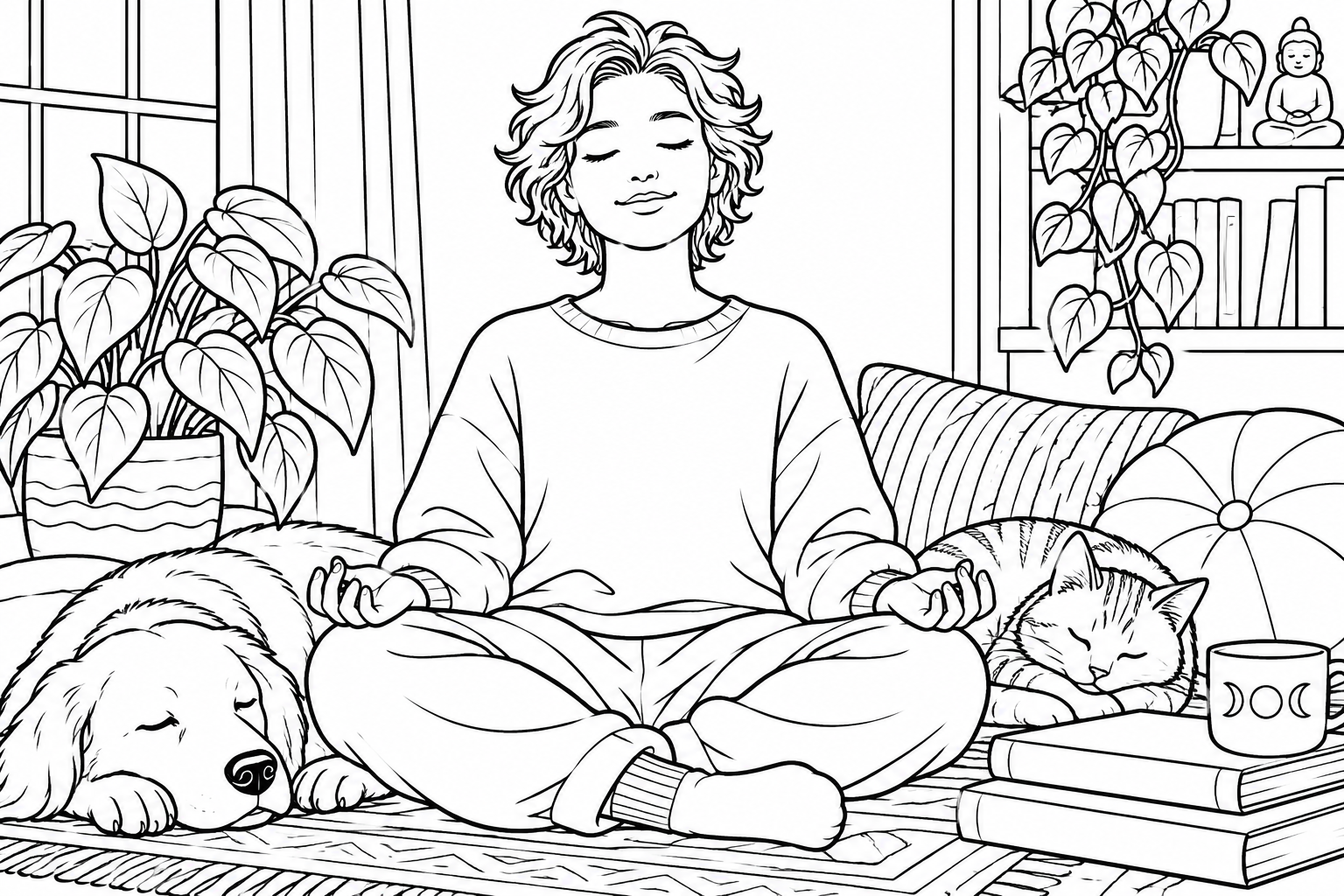
Radical Acceptance is a Dialectical Behavior Therapy (DBT) skill that involves acknowledging reality as it is, even when it feels painful, unfair, or different from what you hoped for. Acceptance does not mean approval, giving up, or excusing harm. Learn how this practice can help you reduce the additional suffering that comes from fighting what has already happened and make room for emotions, choices, and meaningful next steps.

The Self-Compassion Break: A Mindfulness Practice for Difficult Emotions and Self-Criticism
The Self-Compassion Break is a mindfulness practice that helps you respond to difficult emotions and self-criticism with greater kindness. Through three simple steps (mindfulness, common humanity, and self-kindness) you can acknowledge what you are experiencing without judging yourself for struggling. Learn how to use this practice during stressful moments to make room for your feelings and offer yourself the understanding you would extend to someone you care about.

Self-Soothing: A DBT Skill for Stress Relief and Emotional Regulation
Self-Soothing is a Dialectical Behavior Therapy (DBT) distress tolerance skill that uses your five senses to help you navigate stress and difficult emotions. By choosing comforting sights, sounds, textures, scents, or tastes, you can create moments of relief and reconnect with the present. Learn how to build a personalized self-soothing practice that supports emotional regulation without requiring you to ignore or suppress your feelings.

Self-Validation: A DBT Skill for Emotional Regulation and Self-Compassion
Self-Validation is a Dialectical Behavior Therapy (DBT) skill that helps you acknowledge your emotions and experiences without judging yourself for having them. Validating your feelings does not mean agreeing with every thought, approving of every behavior, or giving up on change. Learn how to recognize your emotions, respond to self-criticism with compassion, and support emotional regulation through a more understanding relationship with yourself.

The Three-Minute Breathing Space: A Mindfulness Practice for Stress and Emotional Regulation
The Three-Minute Breathing Space is a mindfulness practice that helps you pause, notice your current experience, and reconnect with the present moment. Through three brief stages (awareness, attention to the breath, and expanding awareness) you can create space to respond to stress and difficult emotions without needing to make them disappear. Learn how to use this short practice during everyday moments of tension or overwhelm.

Weighted Blankets for Anxiety, Sleep, and Emotional Regulation
Weighted blankets provide gentle, evenly distributed pressure that some people find comforting during anxiety, stress, or difficulty sleeping. The sensation may support relaxation and offer a soothing sensory experience, although individual responses vary. Explore how weighted blankets may fit into a personalized coping routine, what to consider when choosing one, and when a lighter blanket or another calming strategy may be more appropriate.