
Pleasant Event Scheduling: A Behavioral Activation Technique for Depression and Emotional Well-Being
Pleasant Event Scheduling is a Behavioral Activation technique that helps you reconnect with enjoyable and meaningful activities when depression, low motivation, or emotional exhaustion make everyday life feel smaller. By intentionally planning manageable moments of pleasure, connection, or creativity, you can create opportunities for positive experiences without waiting to feel motivated first. Learn how to choose activities that fit your energy, interests, and circumstances.

Prayer as a Coping Skill: Finding Comfort, Meaning, and Emotional Support
Prayer can be a meaningful coping skill for people who find comfort in spiritual or religious practices. It may offer space to express difficult emotions, seek guidance, connect with personal beliefs, or find a sense of hope during stressful times. Explore ways to approach prayer as a personal, flexible practice for emotional support without feeling pressured to find the right words or experience a particular outcome.
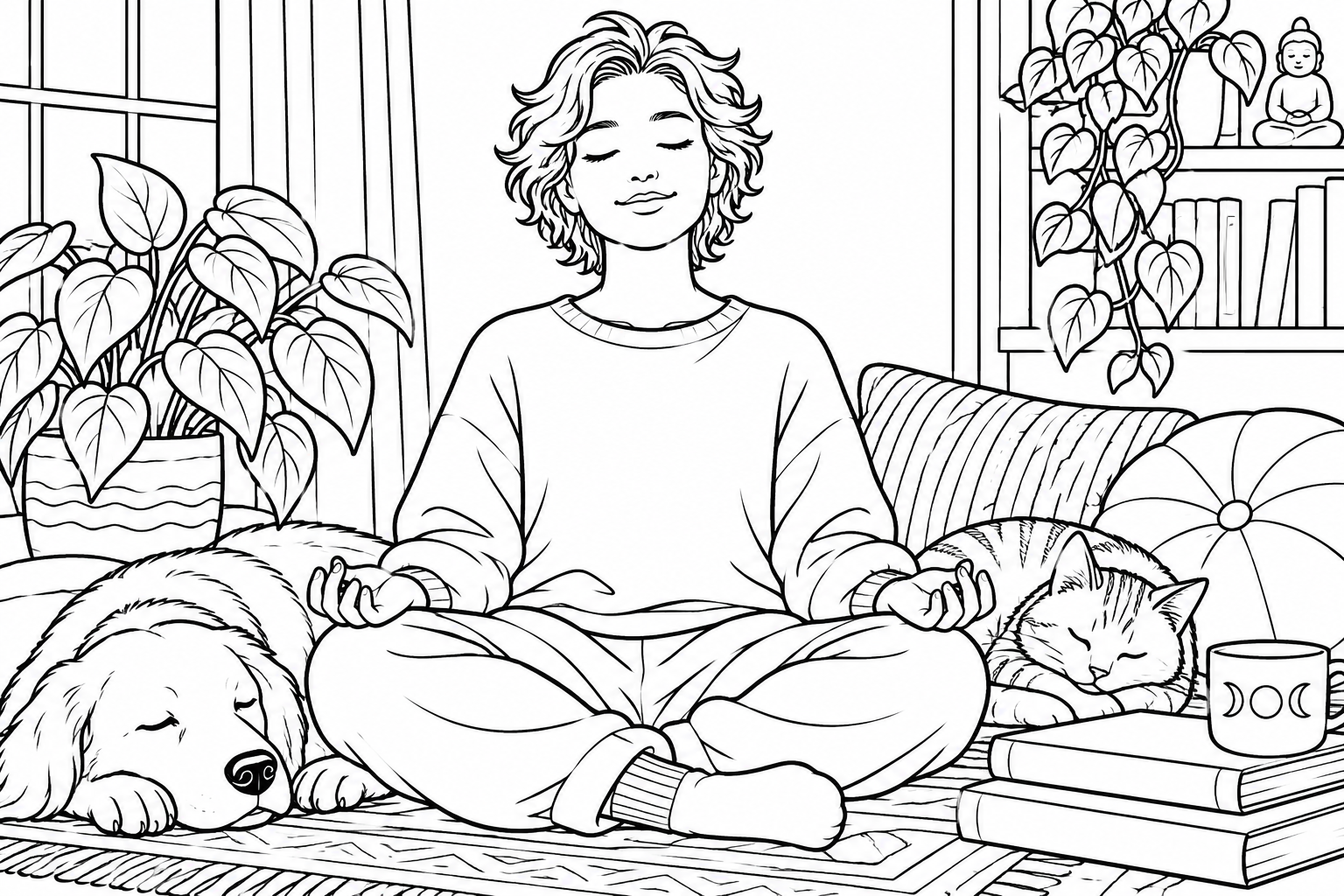
Radical Acceptance: A DBT Skill for Coping with Difficult Emotions and Reality
Radical Acceptance is a Dialectical Behavior Therapy (DBT) skill that involves acknowledging reality as it is, even when it feels painful, unfair, or different from what you hoped for. Acceptance does not mean approval, giving up, or excusing harm. Learn how this practice can help you reduce the additional suffering that comes from fighting what has already happened and make room for emotions, choices, and meaningful next steps.

Relapse Prevention Planning: Identifying Triggers, Managing Urges, and Supporting Recovery
Relapse Prevention Planning helps you identify triggers, recognize early warning signs, and prepare coping strategies that support your recovery. A personalized plan can help you respond to cravings, urges, stress, or changes in your routine before they become more difficult to manage. Learn how to identify supportive people and resources, plan for challenging situations, and approach setbacks with self-compassion rather than shame.

Safety Planning for Suicidal Thoughts and Self-Harm: A Guide to Staying Safe During a Crisis
A safety plan is a personalized guide for navigating moments when suicidal thoughts or urges to self-harm become difficult to manage. It can help you recognize warning signs, identify coping strategies, connect with supportive people, and make your environment safer. Learn the key components of a safety plan and how to prepare practical steps for getting through a crisis. A safety plan is a support tool, not a substitute for immediate help when you are in danger.

Savoring: A Positive Psychology Practice for Mindfulness and Emotional Well-Being
Savoring is a Positive Psychology practice that involves slowing down to notice, appreciate, and fully experience meaningful or enjoyable moments. By paying attention to sensory details, pleasant emotions, and small experiences throughout the day, you can give positive moments more space in your awareness. Learn how to practice savoring in a realistic way that supports mindfulness and emotional well-being without ignoring difficult feelings.

Scheduled Worry Time: A CBT Technique for Managing Anxiety and Overthinking
Scheduled Worry Time is a Cognitive Behavioral Therapy (CBT) technique that helps you manage anxiety and repetitive thoughts by setting aside a specific time to address your worries. Instead of trying to suppress anxious thoughts or spending the entire day caught up in them, you can practice postponing worry and returning your attention to the present. Learn how to establish a realistic worry-time routine, examine your concerns, and identify practical next steps.

The Self-Compassion Break: A Mindfulness Practice for Difficult Emotions and Self-Criticism
The Self-Compassion Break is a mindfulness practice that helps you respond to difficult emotions and self-criticism with greater kindness. Through three simple steps (mindfulness, common humanity, and self-kindness) you can acknowledge what you are experiencing without judging yourself for struggling. Learn how to use this practice during stressful moments to make room for your feelings and offer yourself the understanding you would extend to someone you care about.

Self-Soothing: A DBT Skill for Stress Relief and Emotional Regulation
Self-Soothing is a Dialectical Behavior Therapy (DBT) distress tolerance skill that uses your five senses to help you navigate stress and difficult emotions. By choosing comforting sights, sounds, textures, scents, or tastes, you can create moments of relief and reconnect with the present. Learn how to build a personalized self-soothing practice that supports emotional regulation without requiring you to ignore or suppress your feelings.

Self-Validation: A DBT Skill for Emotional Regulation and Self-Compassion
Self-Validation is a Dialectical Behavior Therapy (DBT) skill that helps you acknowledge your emotions and experiences without judging yourself for having them. Validating your feelings does not mean agreeing with every thought, approving of every behavior, or giving up on change. Learn how to recognize your emotions, respond to self-criticism with compassion, and support emotional regulation through a more understanding relationship with yourself.

Sour Candy for Anxiety and Panic: A Sensory Grounding Technique
Sour candy can be a sensory grounding tool when anxiety, panic, or racing thoughts make it difficult to focus on the present moment. Its strong flavor offers a concrete sensation to notice, giving you something immediate to direct your attention toward. Learn how to use sour candy as an optional grounding technique, what to pay attention to as you try it, and when a different coping skill may be more comfortable or appropriate.

Thoughts on Trial: A CBT Practice for Challenging Negative Thoughts
Thoughts on Trial is a Cognitive Behavioral Therapy (CBT) exercise that helps you examine negative thoughts as though you were reviewing evidence in a courtroom. By considering what supports a thought, what challenges it, and what other explanations may be possible, you can develop a more balanced perspective without dismissing your feelings. Learn how to question unhelpful thinking patterns and respond to yourself with greater clarity and compassion.

Three Good Things: A Positive Psychology Practice for Gratitude and Well-Being
Three Good Things is a Positive Psychology practice that invites you to reflect on three positive experiences from your day and consider why they happened. These moments can be small, ordinary, or meaningful in ways that are personal to you. Learn how this simple reflection exercise can support gratitude, encourage awareness of positive experiences, and make room for appreciation without dismissing difficult emotions.

The Three-Minute Breathing Space: A Mindfulness Practice for Stress and Emotional Regulation
The Three-Minute Breathing Space is a mindfulness practice that helps you pause, notice your current experience, and reconnect with the present moment. Through three brief stages (awareness, attention to the breath, and expanding awareness) you can create space to respond to stress and difficult emotions without needing to make them disappear. Learn how to use this short practice during everyday moments of tension or overwhelm.

Values Clarification: Identifying What Matters and Living with Intention
Values Clarification is a reflective practice that helps you identify what matters most to you and consider how your daily choices reflect those priorities. By exploring the qualities you want to embody and the directions you want your life to take, you can make room for more intentional decisions. Learn how to identify your personal values and take small, realistic steps toward living in ways that feel meaningful to you.

Weighted Blankets for Anxiety, Sleep, and Emotional Regulation
Weighted blankets provide gentle, evenly distributed pressure that some people find comforting during anxiety, stress, or difficulty sleeping. The sensation may support relaxation and offer a soothing sensory experience, although individual responses vary. Explore how weighted blankets may fit into a personalized coping routine, what to consider when choosing one, and when a lighter blanket or another calming strategy may be more appropriate.